
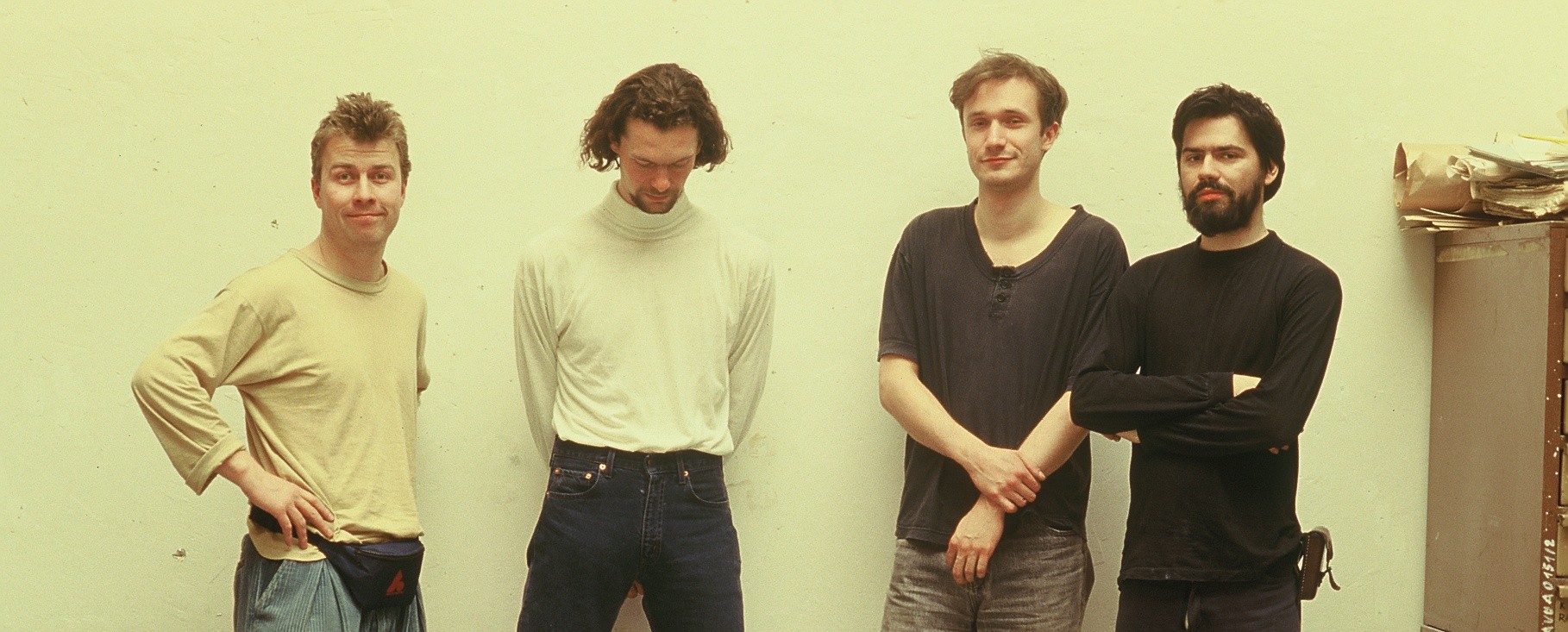
Headless Rider Bolf Mančuška Šerých Vaněk
The Headless Rider Returns After Thirty Years. GHMP opens an exhibition on freedom, improvisation and the “archaeology” of the 1990s
What was life like in the era when the internet was not yet commonplace, when information, music and films were shared via cassettes, books and personal recommendations and the world of contemporary art was just learning to function in a free society? Prague City Gallery (GHMP) presents the exhibition The Headless Rider, which revisits one of the most remarkable art groups of the 1990s in the Czech Republic. Curated by Vít Havránek and Sandra Baborovská, the exhibition combines a retrospective of works by Josef Bolf, Ján Mančuška, Jan Šerých and Tomáš Vaněk with old-new site-specific installations created specifically for GHMP Zvon exhibition space (the Stone Bell House). The exhibition will be open to the public from 24 June to 11 October 2026.
The Headless Rider group was formed in 1996 at the Academy of Fine Arts in Prague, and was both a symptom of an era marked by euphoria and uncertainty and the result of a unique encounter of artists with strong personalities. Four young students – Bolf, Mančuška, Šerých and Vaněk – entered an art scene that was far less extended than it is today. They joined the ranks of newly formed groups such as Pondělí, Koza Nostra, Jednotka, Luxsus and Podebal.
The members of the group were united by a deep interest in neo-avant-garde art, classical literature, science fiction and DIY, which stood in contrast to the ubiquitous advertising and mainstream pop culture of the time. The name referred to their shared scepticism toward leadership and programmatic unity, which ultimately proved to be their defining characteristic. In their day-to-day decision-making, a single “leader” was replaced by negotiation and artistic intuition. The name Bezhlavý jezdec (The Headless Rider) referred both to the Soviet Western film of the same name from the 1970s and to the novel The Ghost of Llano Estacado, in which the spectre of a headless rider appears.
Today, nearly thirty years after the group’s formation, their shared story is returning to the spotlight thanks to GHMP. However, the exhibition is not a nostalgic look back at the 1990s. Rather, it raises the question of why this particular period continues to divide Czech society to this day. For some, it represents the era of newly gained freedom, open possibilities and cultural adventure. For others, it symbolises uncontrolled transformation, privatisation and lost illusions. The exhibition explores this generational divide through art created at a time when our future was still undecided.
“Today, we perceive the 1990s as a peculiar interlude between two worlds. On the one hand, the experience of socialism was still being felt; on the other, the digital world, which we now take for granted, did not yet exist. The Headless Rider group emerged precisely in this space of open possibilities, improvisation and the search for new forms of collaboration. The exhibition is therefore not only a look back at the history of Czech art, but also a reflection on what we have gained over the past thirty years – and, conversely, what we have lost,” says exhibition curator Vít Havránek.
The exhibition will present a number of reconstructed, rarely exhibited or little-known works from the late 1990s and early 2000s. At the same time, it will offer visitors the opportunity to step into an environment that evokes the atmosphere of the last great pre-internet generation. The exhibition is permeated by motifs of DIY culture, a fascination with television as a window onto the West, psychedelia, comic strips, science fiction, experiments with altered states of consciousness and the everyday life of post-revolutionary Czech households.
GHMP Zvon exhibition space will be transformed into a labyrinth of memories and imagination. New dystopian frescoes by Josef Bolf will be created in the large chapel. The exhibition will also feature an authentically styled room inspired by the 1990s – complete with period furniture, a television, a VCR, an aquarium, books and a working Walkman. This is a reference to the 2000 exhibition Women Come and Go; Only We Sci-Fi Writers Remain at Ostrava’s Galerie 761, where The Headless Rider presented itself as a group.
“It was a quotation from the foreword to Philip K. Dick’s short story collection The Golden Man, which we were all reading and passing around at the time. He wrote the foreword upon request, in which he described his complicated life as a drug addict,” recalls Josef Bolf. Literature, comic strips and science fiction were among the group’s key sources of inspiration at the time. While The Headless Rider was preparing the exhibition at the Ostrava gallery, its members also sought a way to go beyond the format of a traditional group show. “We didn’t want everyone to just claim their own corner of the gallery and display their own work. Eventually, we created an environment that felt like the space before or after an exhibition – a place full of traces, remnants and vague stories,” adds Tomáš Vaněk, who later served as chancellor of the Academy of Fine Arts in Prague (AVU). Visitors will be able to slow down, take a seat and immerse themselves for a moment in a world before the internet and social media.
A Škoda 105 car will be parked in the gallery’s courtyard, with a radio play by Josef Bolf playing from a cassette in its car stereo. This car, manufactured until 1990, will serve as a monument to everyday life and a reminder of the last great “offline” era.
A rich accompanying programme will complement the exhibition’s atmosphere. Over the course of the summer, there will also be an open-air cinema featuring films that shaped the imagination of the group’s members and an entire generation of the 1990s. The programme will include, among others, the cult classics Šeptej and Suspiria. Each screening will be introduced and accompanied by commentary from the artists themselves, curators or invited guests.
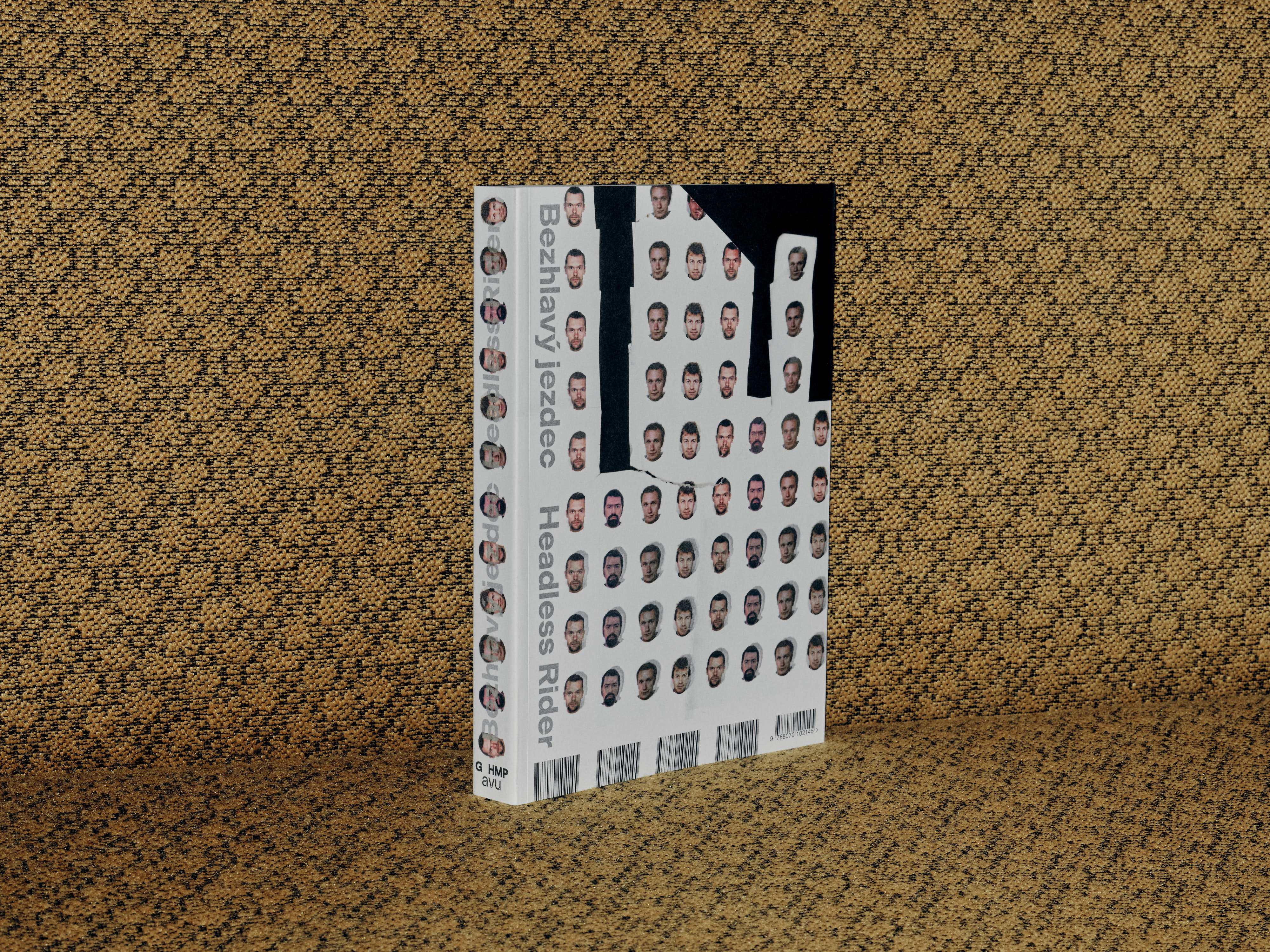
The exhibition will also be complemented by a comprehensive catalogue published by GHMP in collaboration with AVU. Drawing on archival materials, photographs, interviews and other documentation, the book covers the group’s activities from 1996 to 2004 and offers one of the most comprehensive overviews of this chapter in Czech contemporary art.
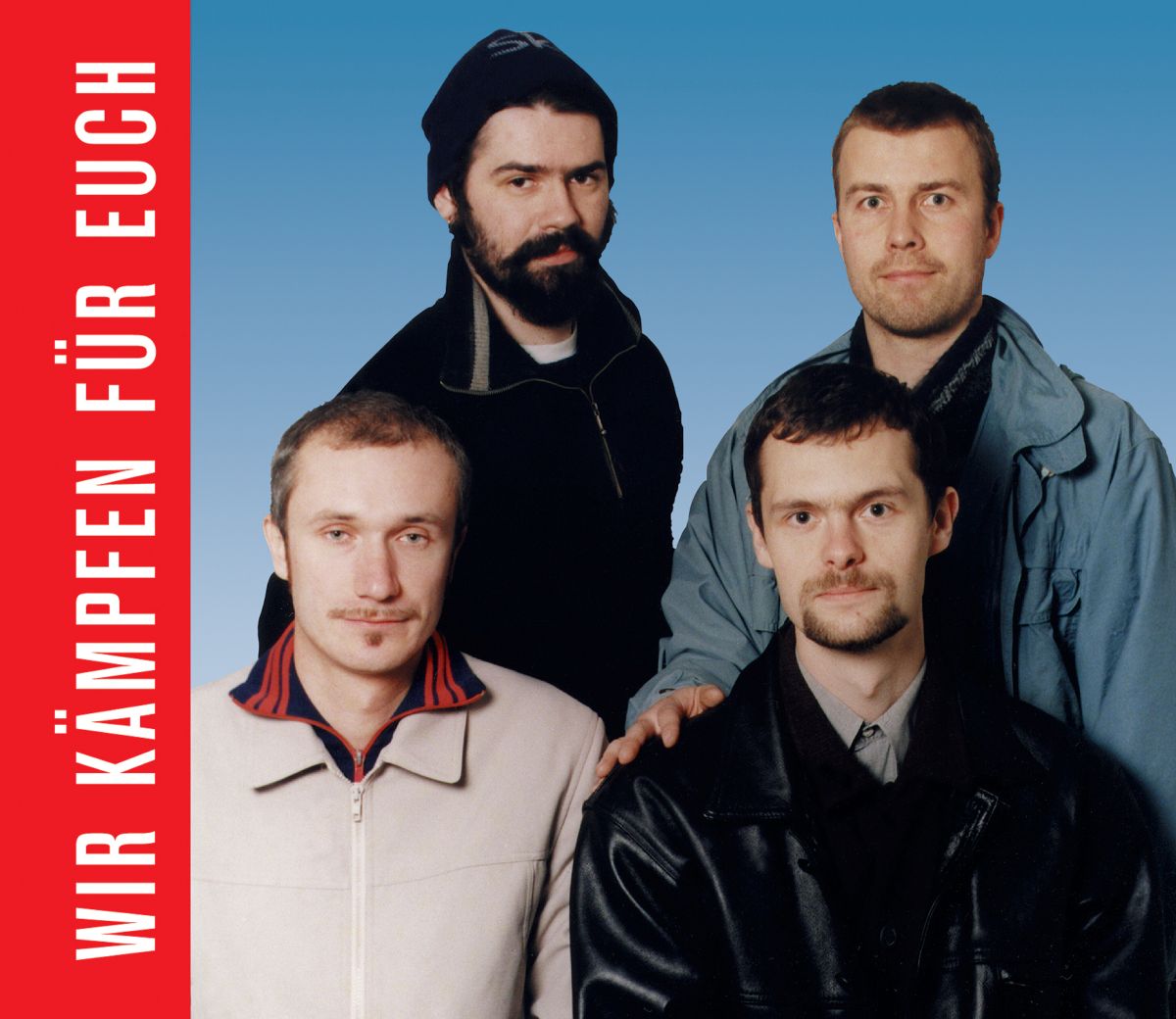
Display Case BJ, Headless Rider, from left: Josef Bolf, Ján Mančuška, Jan Šerých and Tomáš Vaněk, Wir kämpfen für euch (We Are Fighting for You), poster created for the group's display case on Komunardů Street in Holešovice, 1998
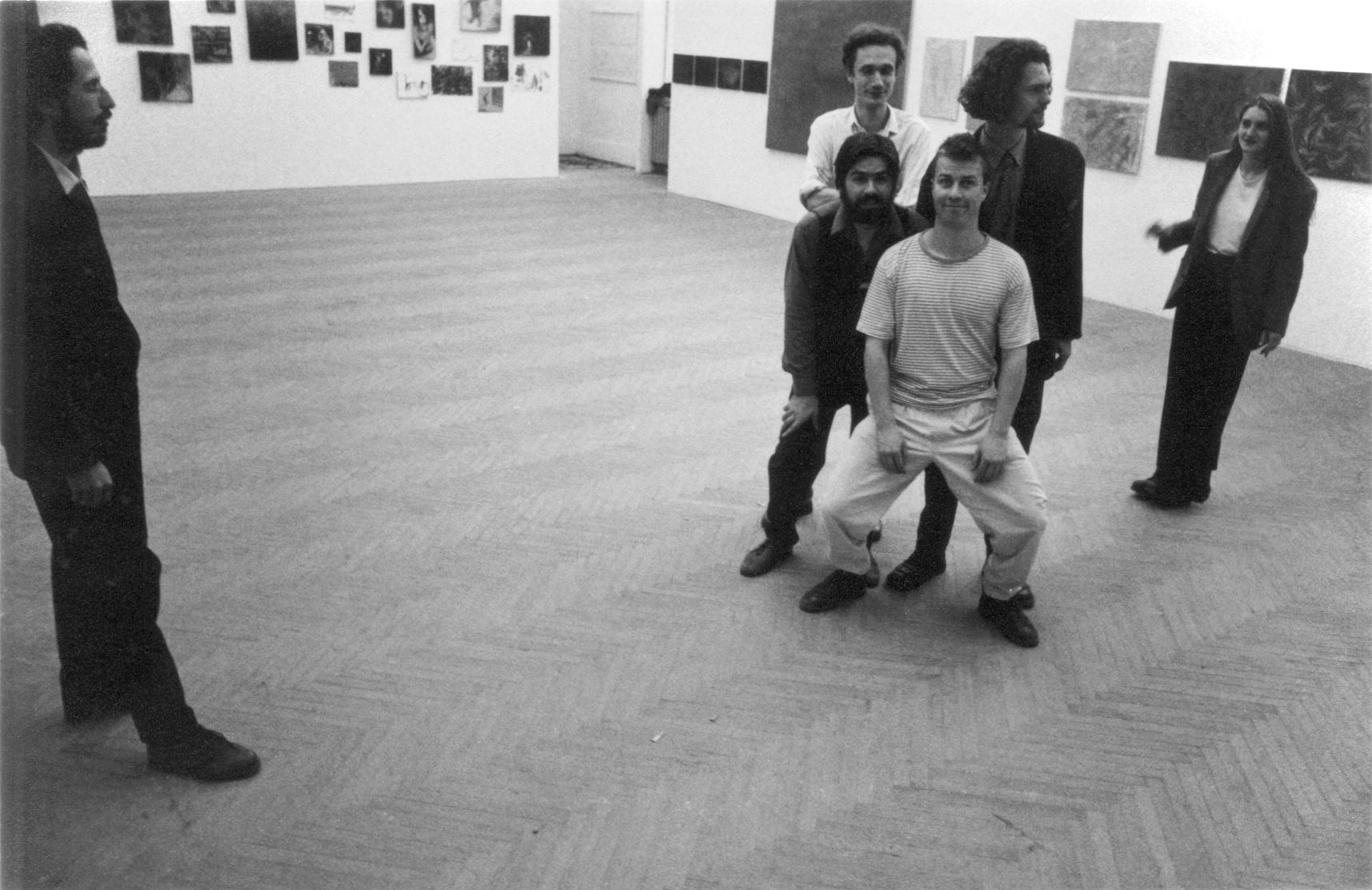
From left Josef Bolf, Jan Šerých, Ján Mančuška and Tomáš Vaněk (l-r), Radek Václavík (far left), at the exhibition Paintings, Drawings at Galerie AVU, Prague, 1996
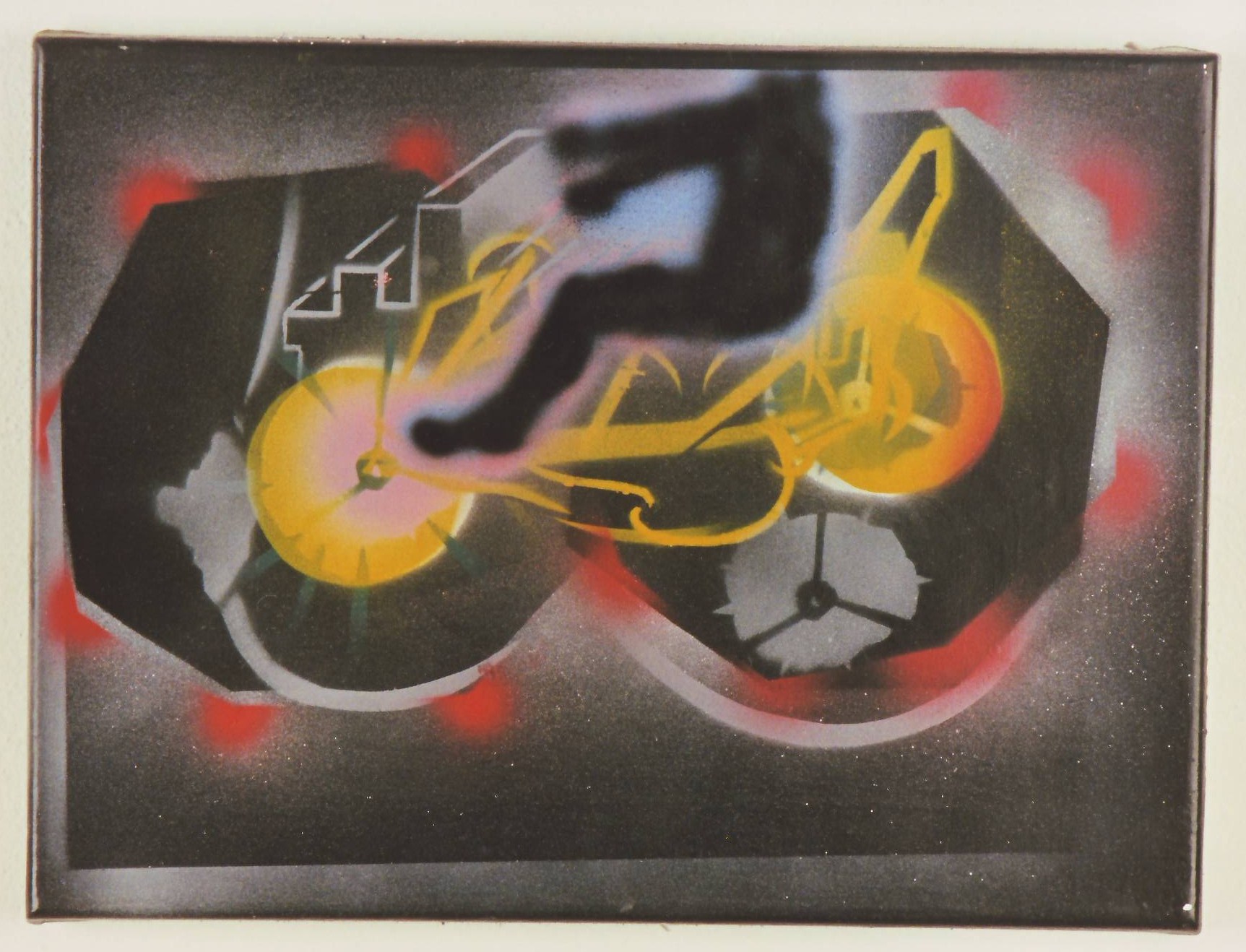
Tomáš Vaněk, Headless Rider, 1998, spray paint on canvas, 35 × 25 cm
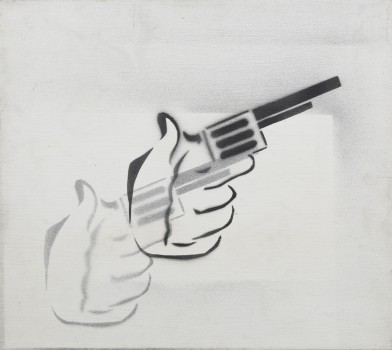
Tomáš Vaněk, Particip No. 6, 1999, spray paint on canvas, 36 × 40 cm
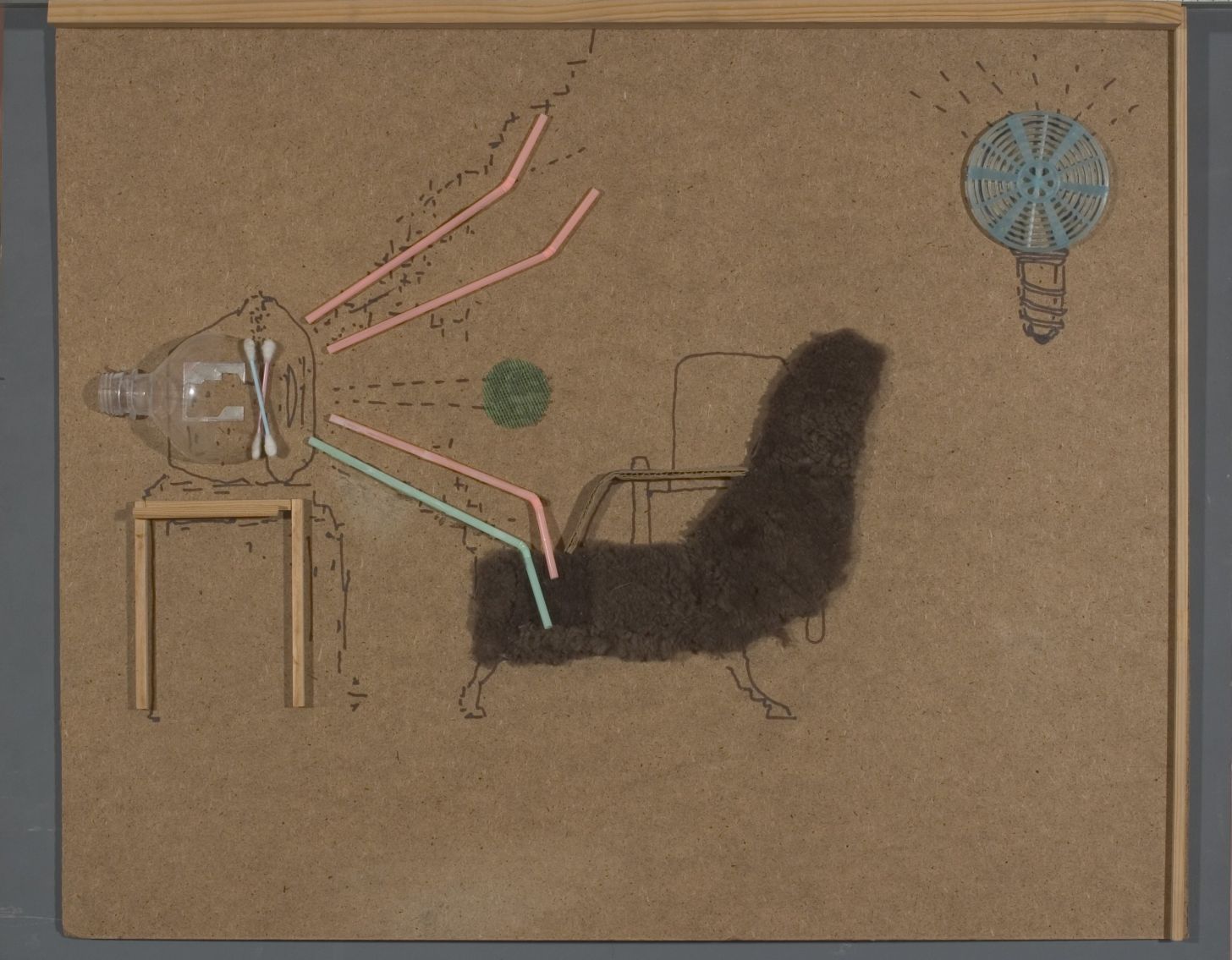
Ján Mančuška, It Only Hurts When I Laugh, 1999, plastic straws, q-tips, cardboard, synthetic fabric, wood, fibreboard, 61 × 74 cm, Marek Collection
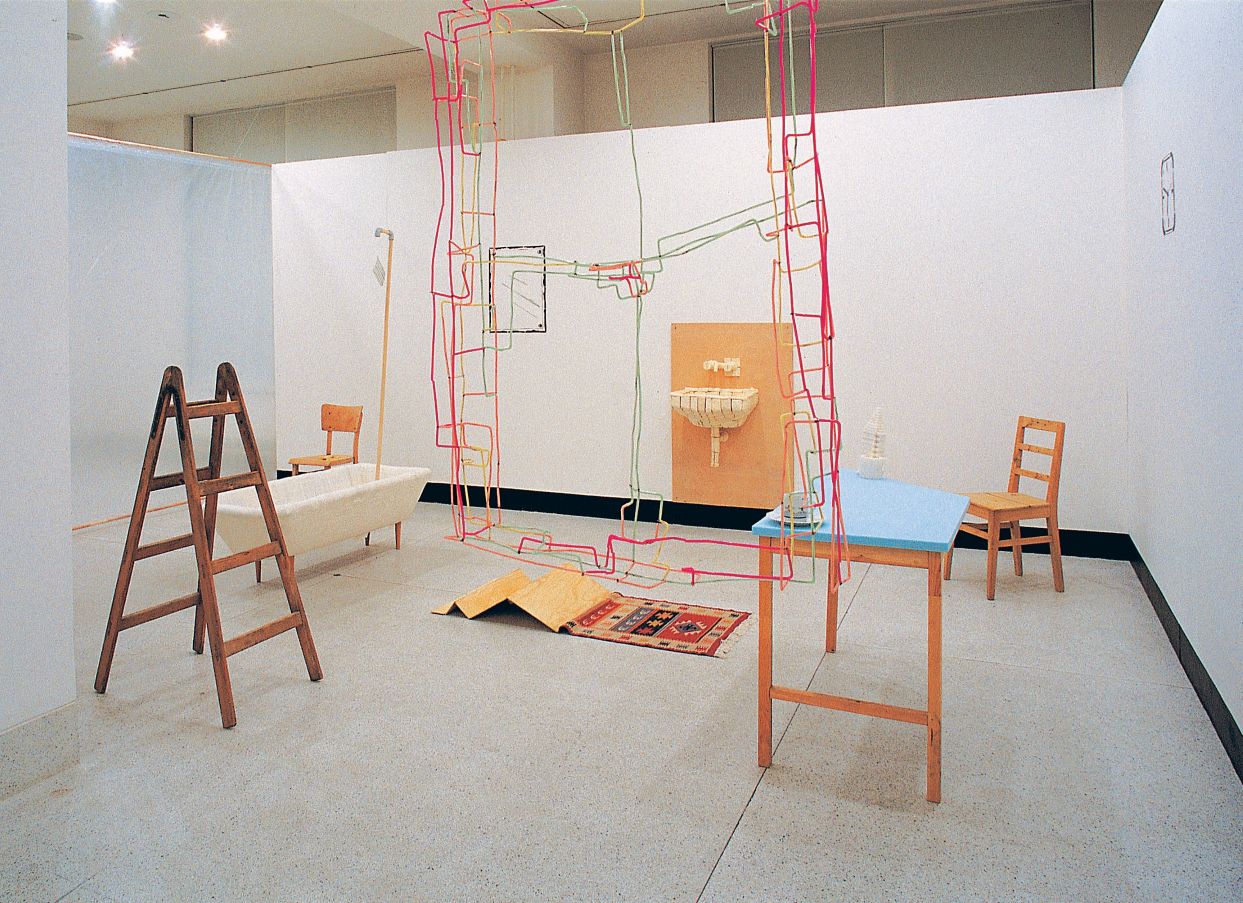
Ján Mančuška, Morning 2001, 1999, plastic film, carved soap, sugar cubes, plastic straws, wooden elements and other materials, variable dimensions, exhibition view from Distant Similarities — Something Better than Cosmetics, National Gallery Prague
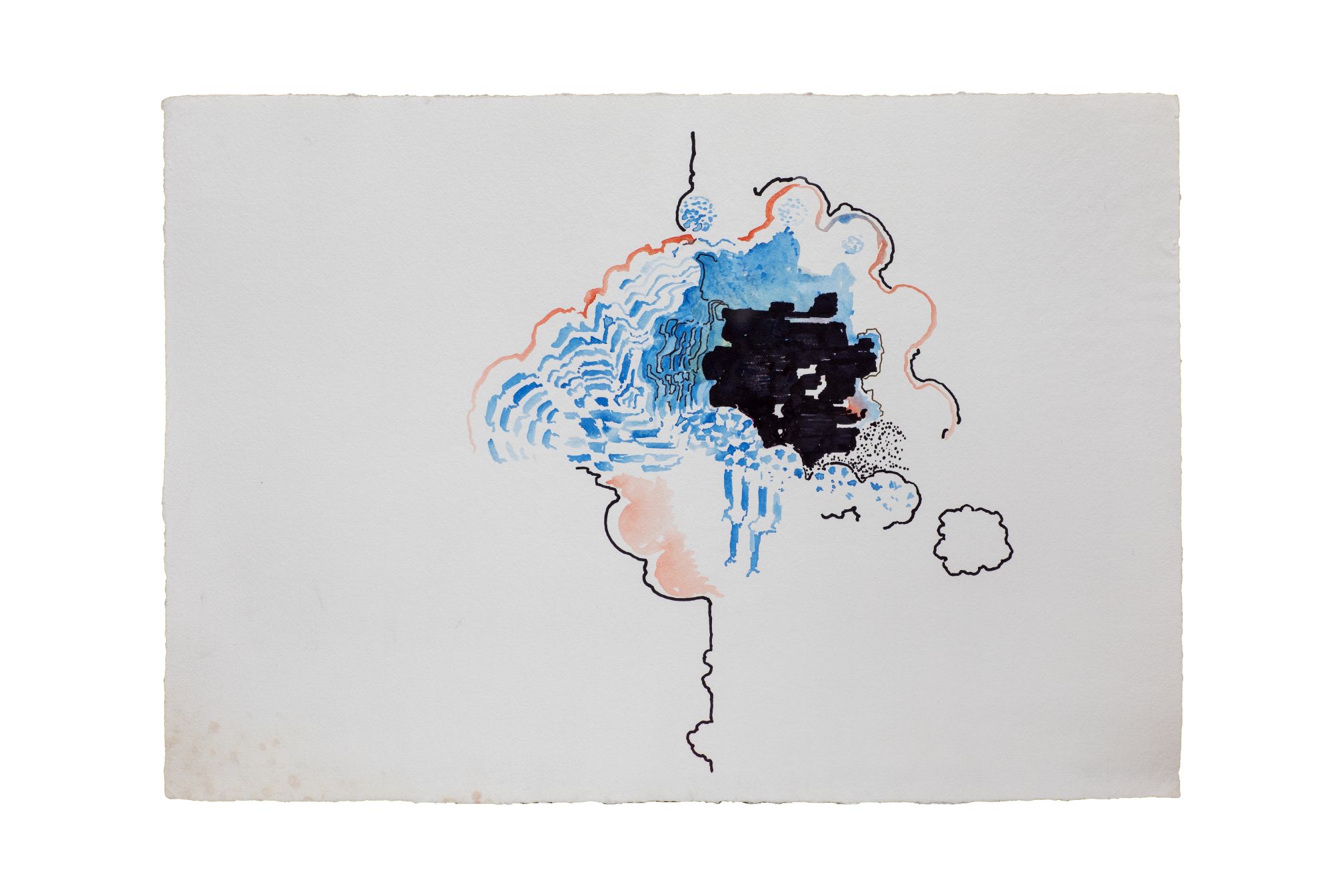
Ján Mančuška, Untitled, 1998, marker and coloured pencil on handmade paper, 58.5 × 41.5 cm, Prague City Gallery
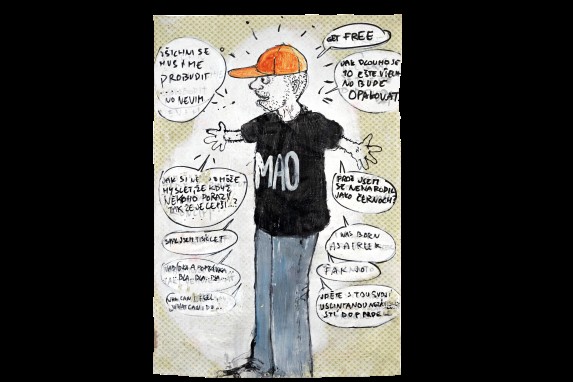
Josef Bolf, Mao, 1999, acrylic and markers on plastic film, 130 × 90 cm
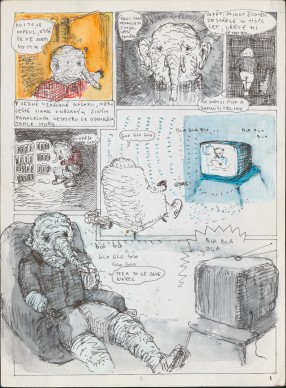
Josef Bolf, I’d Like to Gather the Pieces of Your Heart When One Day It Breaks for Someone (selection), 1999, markers, inks, watercolour on paper, 29.7 x 21 cm
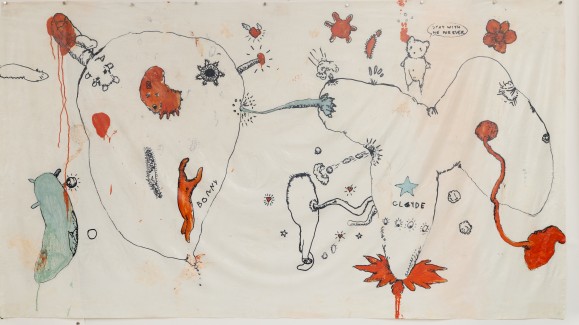
Josef Bolf, Bonnie and Clyde, 1997, acrylic and markers on plastic film, 133 × 245 cm
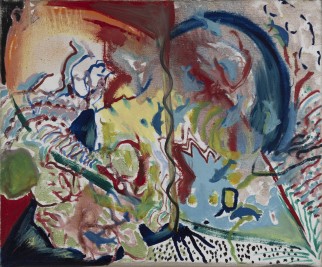
BJ, Untitled (collective painting), 2 April 1996, acrylic on canvas, 34 × 40.5 cm
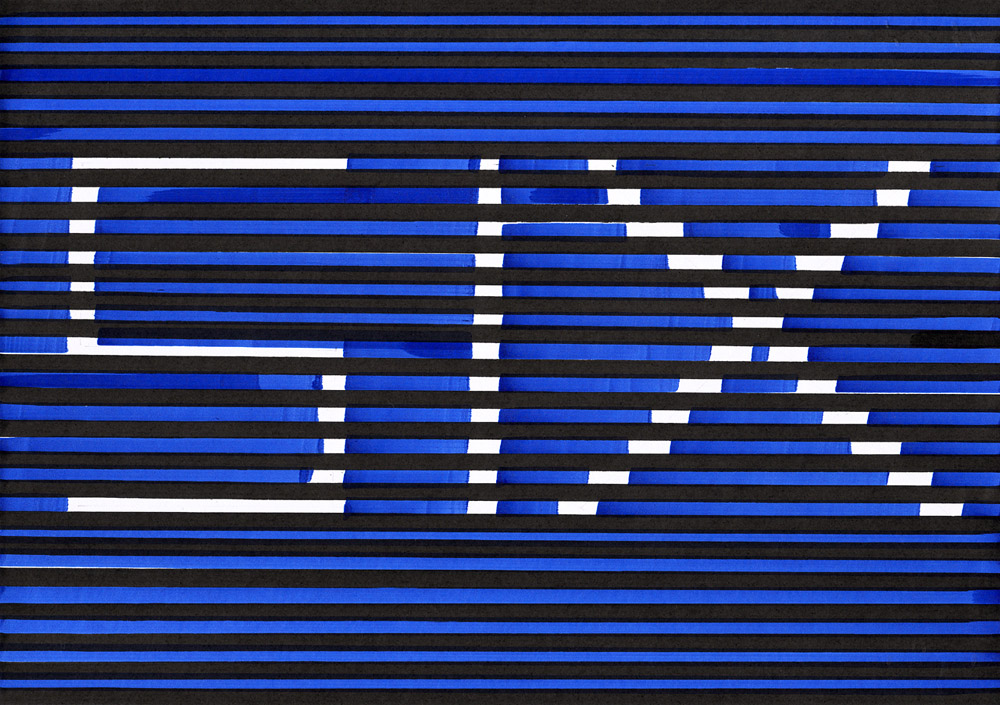
Jan Šerých, untitled 1999
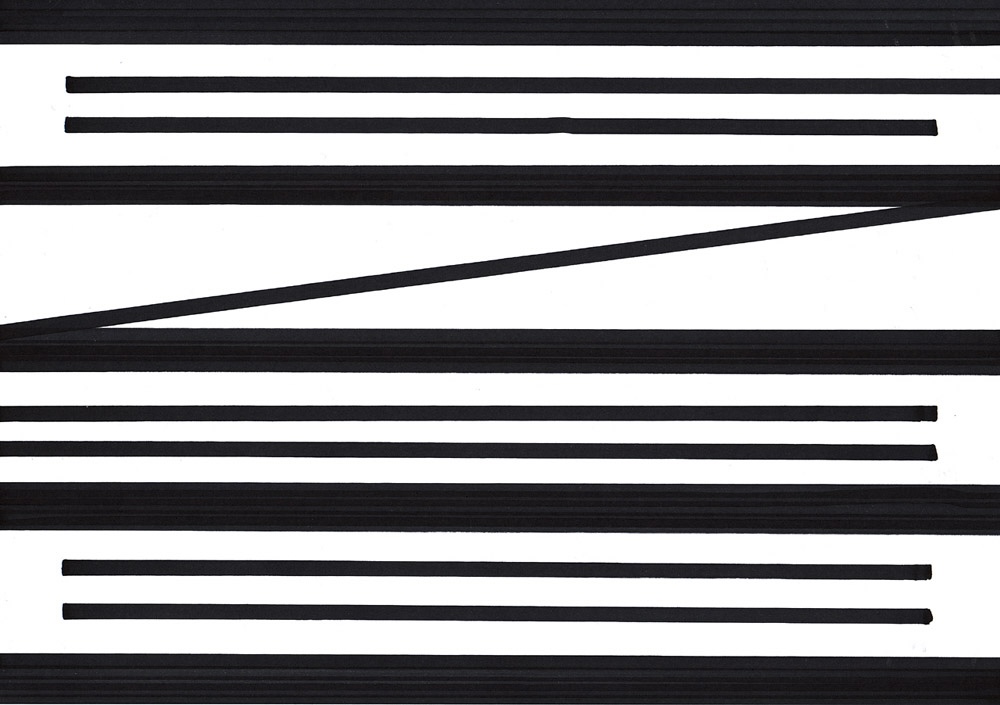
Jan Šerých, untitled 1999
Photos of artworks in print quality are available here
Exhibition view ©Jan Kolský
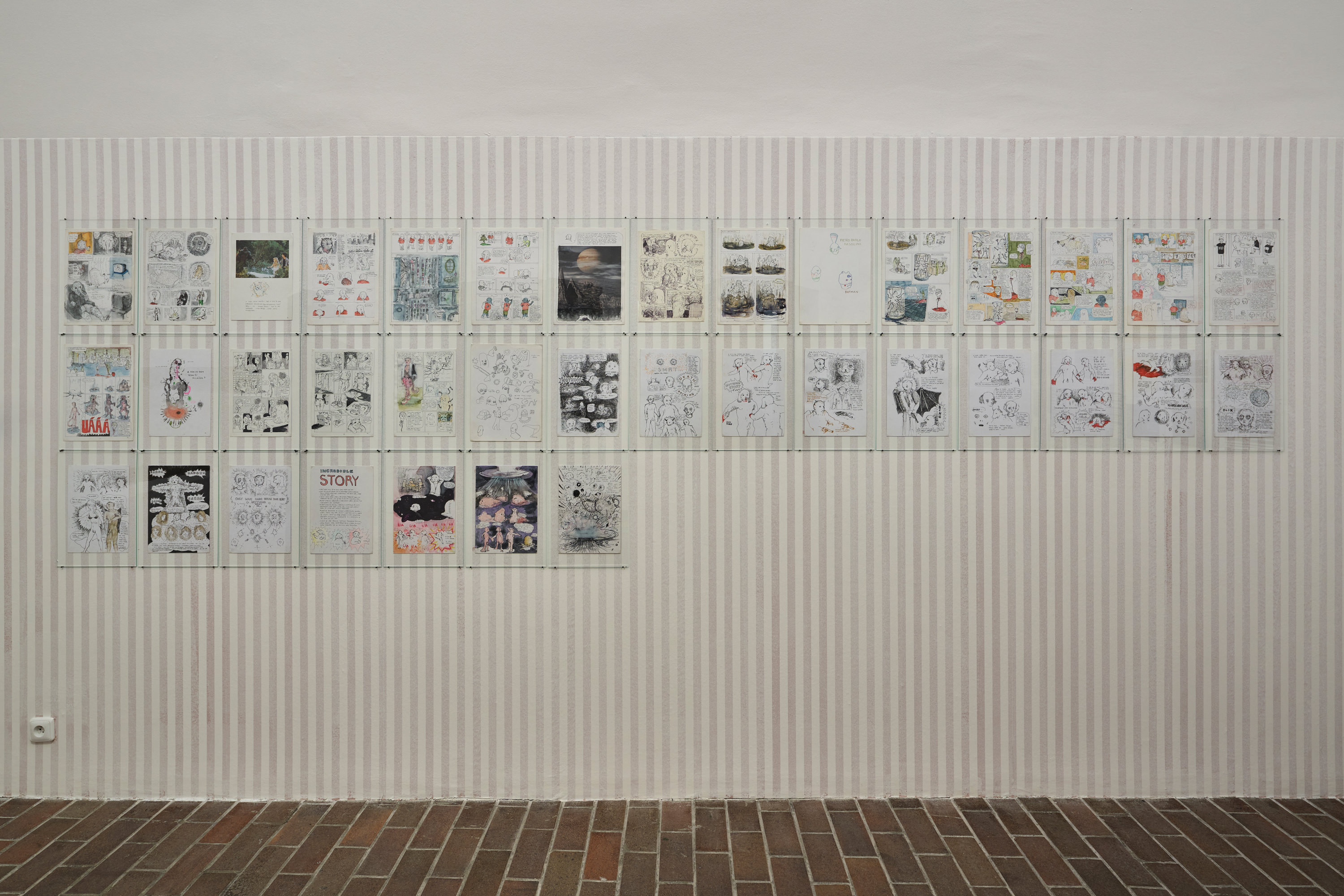
Exhibition view ©Jan Kolský
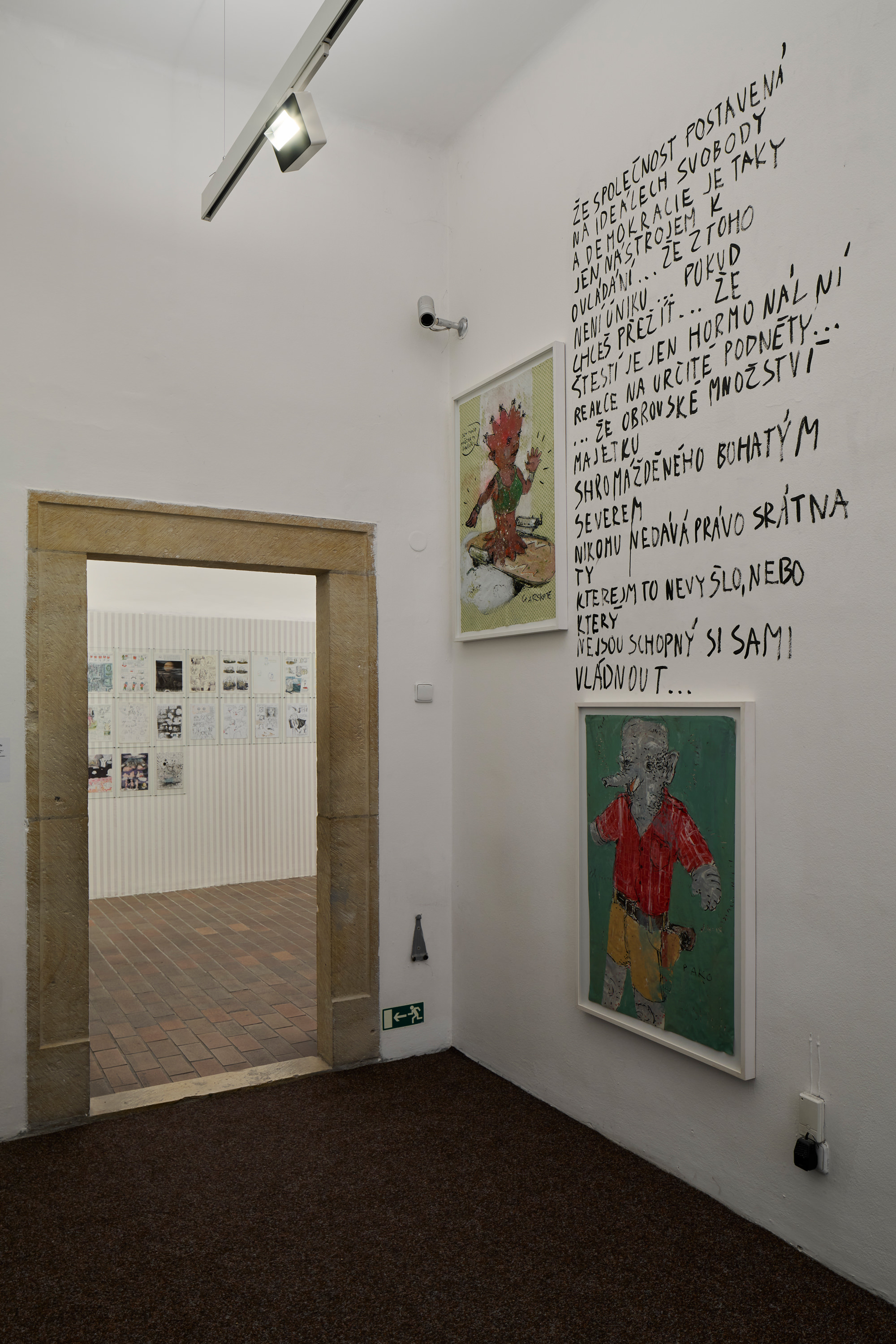
Exhibition view ©Jan Kolský
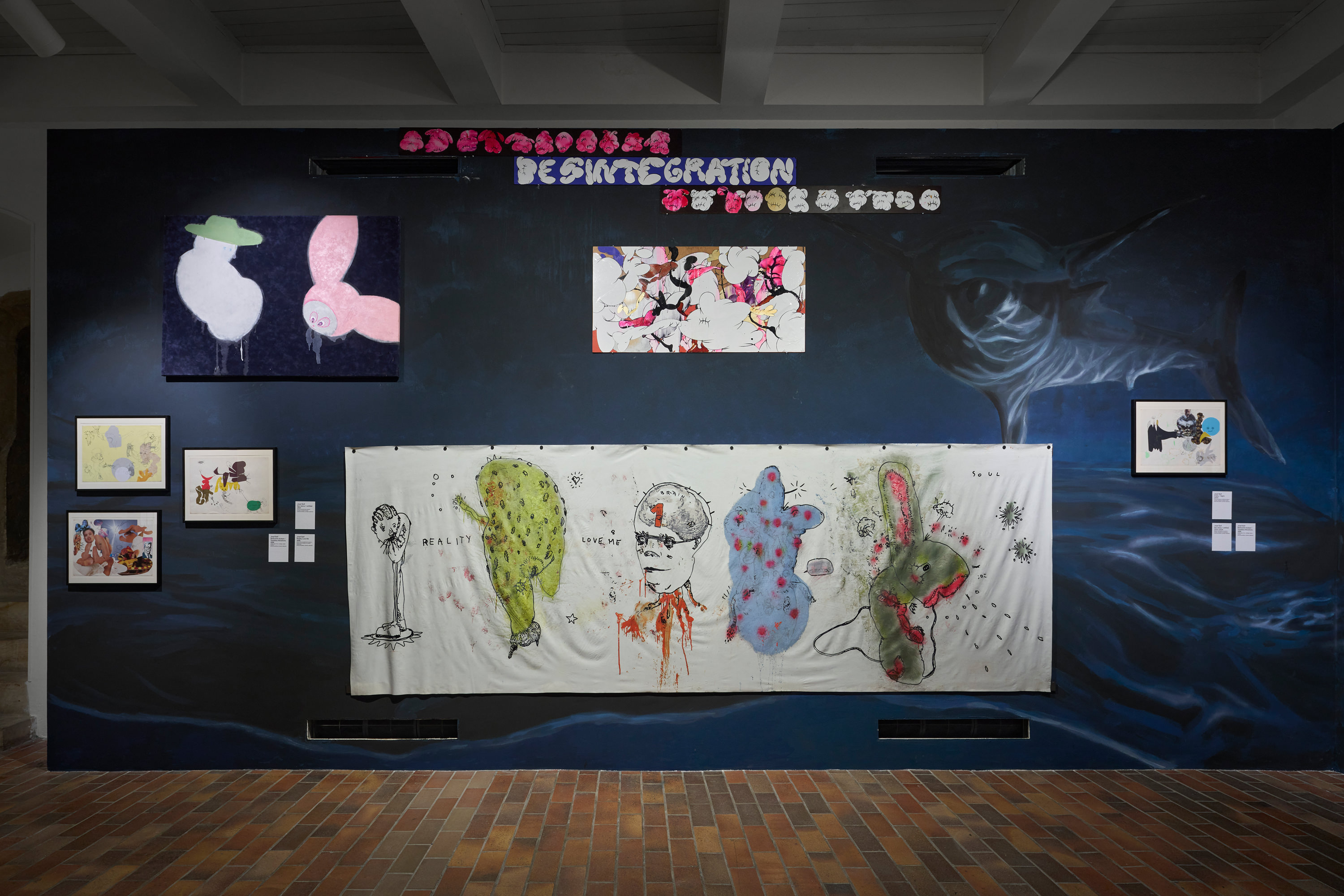
Exhibition view ©Jan Kolský
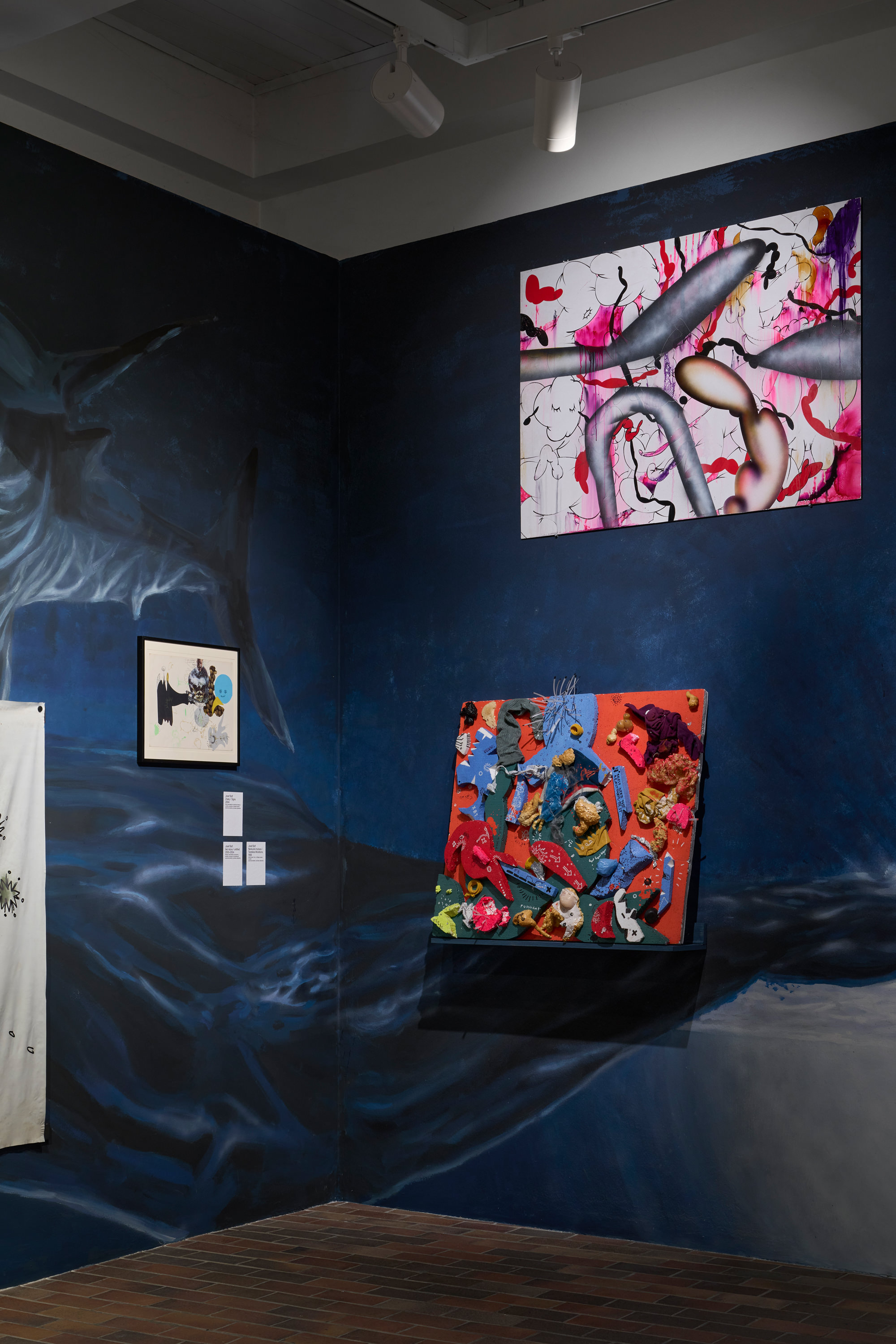
Exhibition view ©Jan Kolský
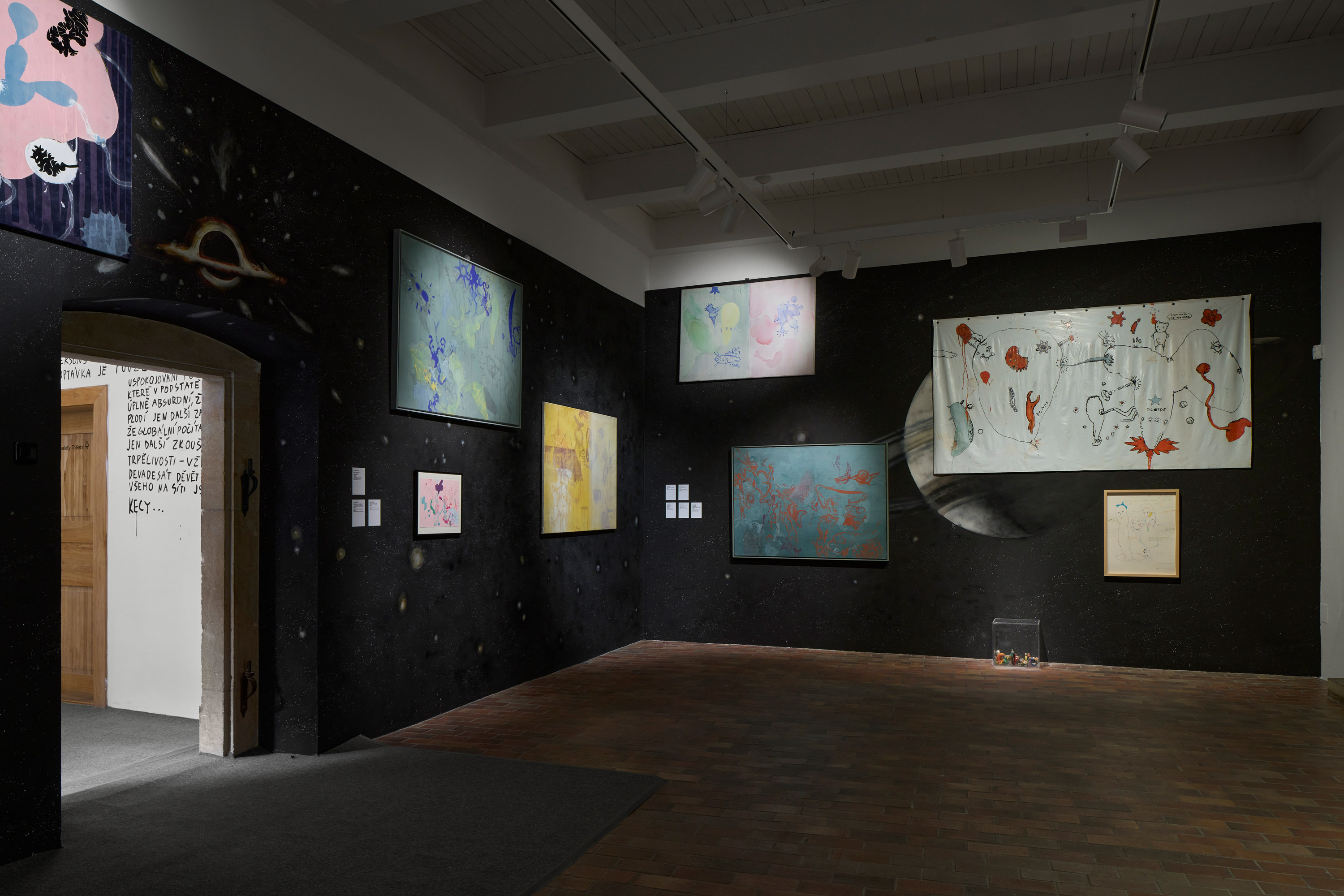
Exhibition view ©Jan Kolský
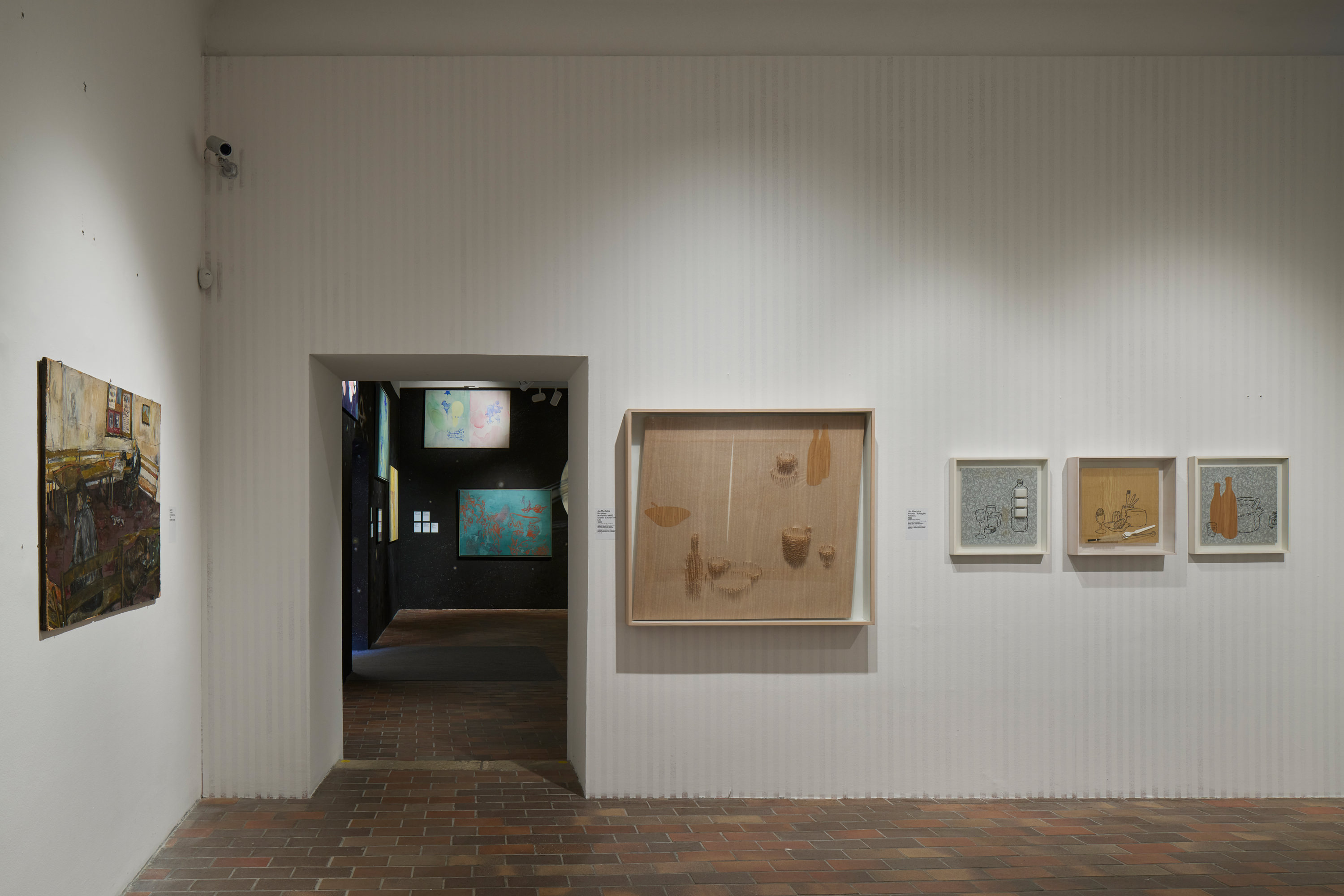
Exhibition view ©Jan Kolský
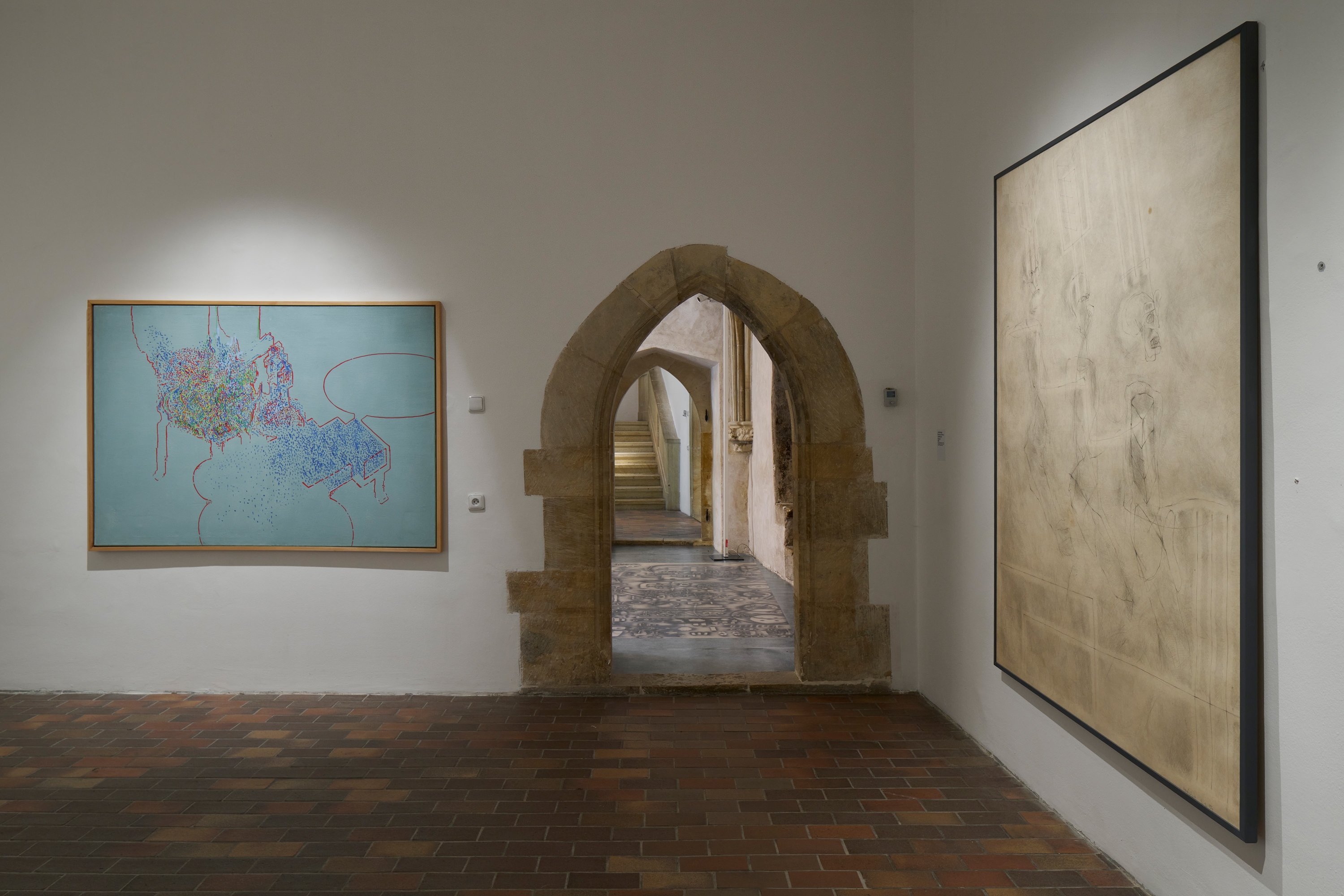
Exhibition view ©Jan Kolský
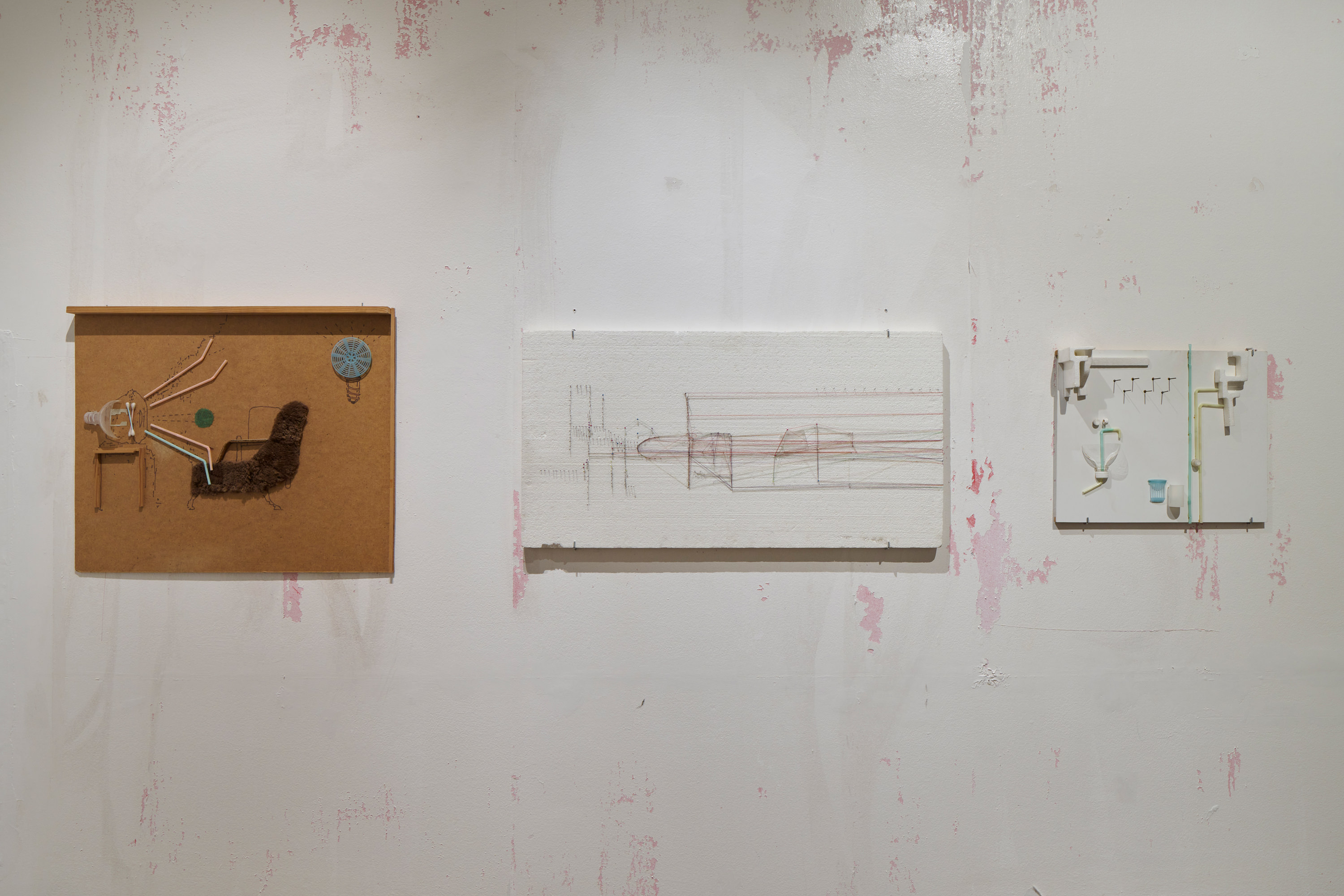
Exhibition view ©Jan Kolský
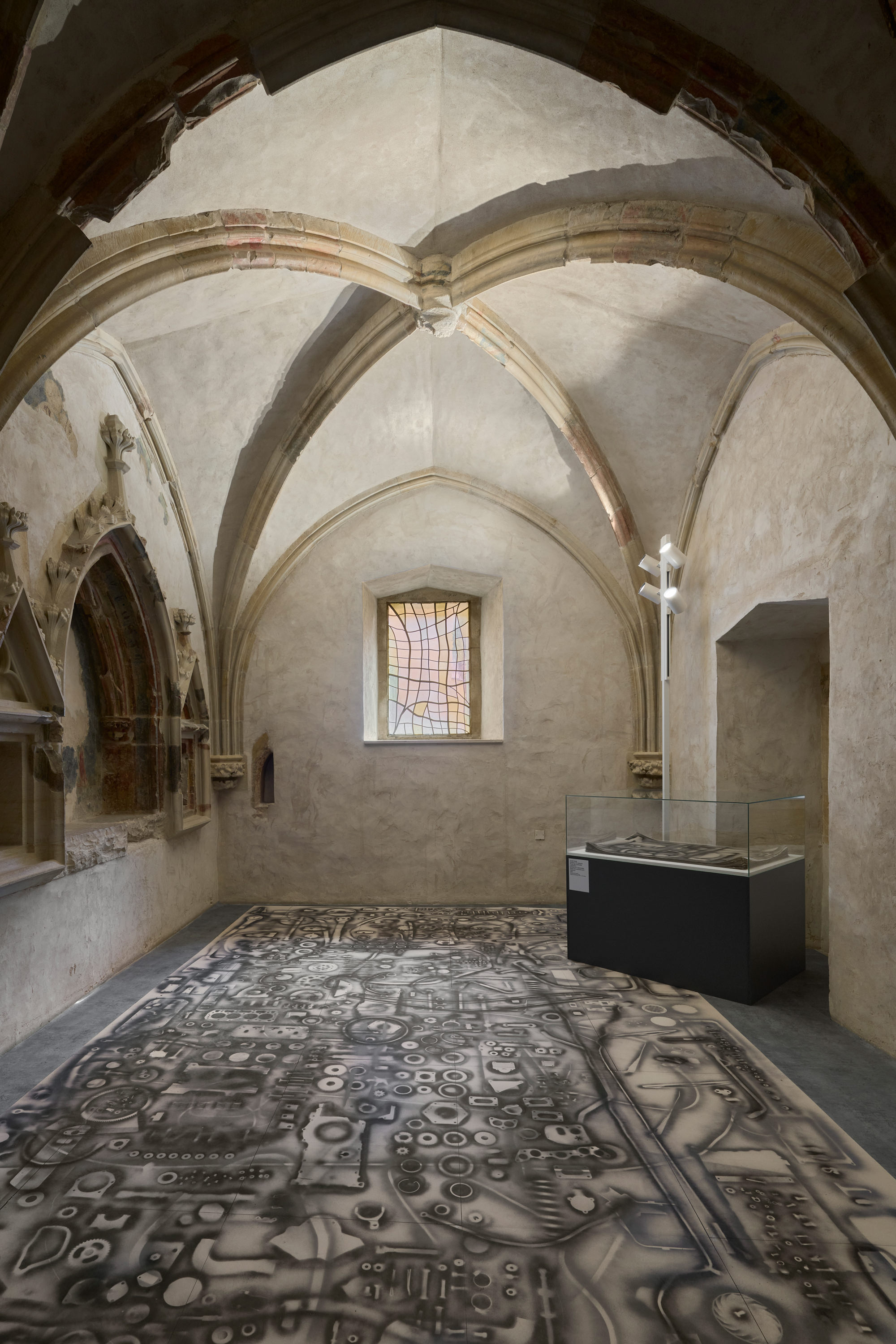
Exhibition view ©Jan Kolský
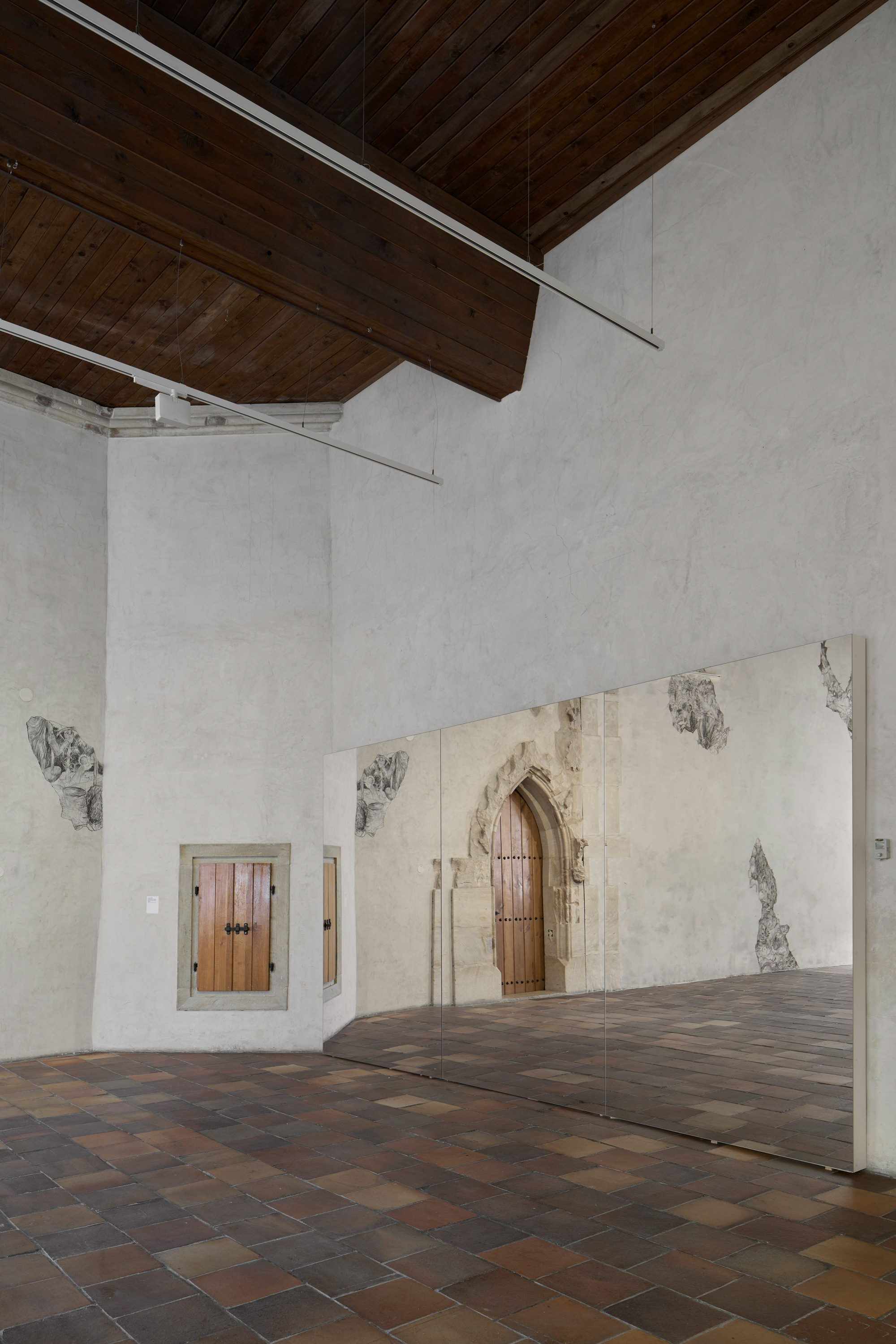
Exhibition view ©Jan Kolský
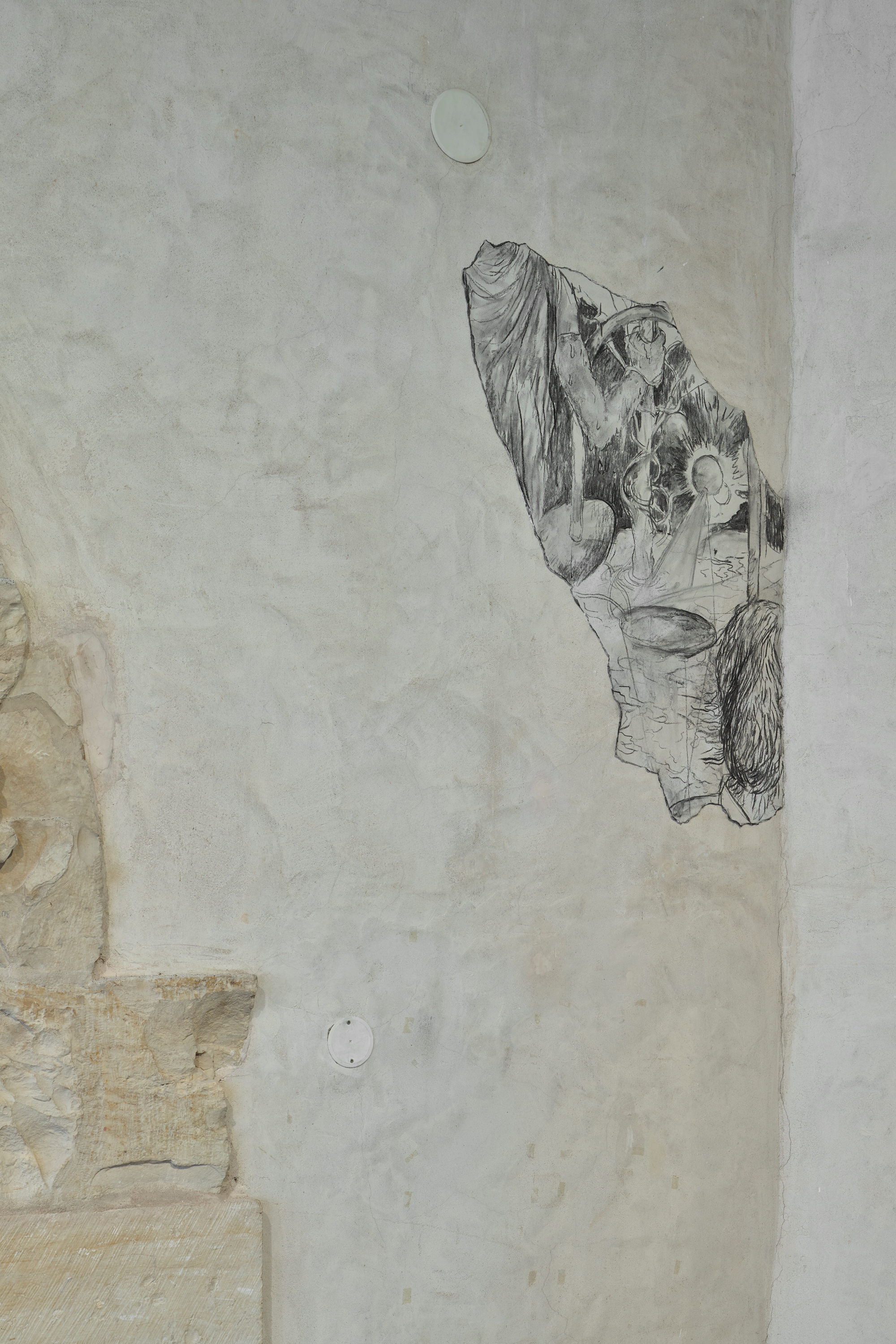
Exhibition view ©Jan Kolský
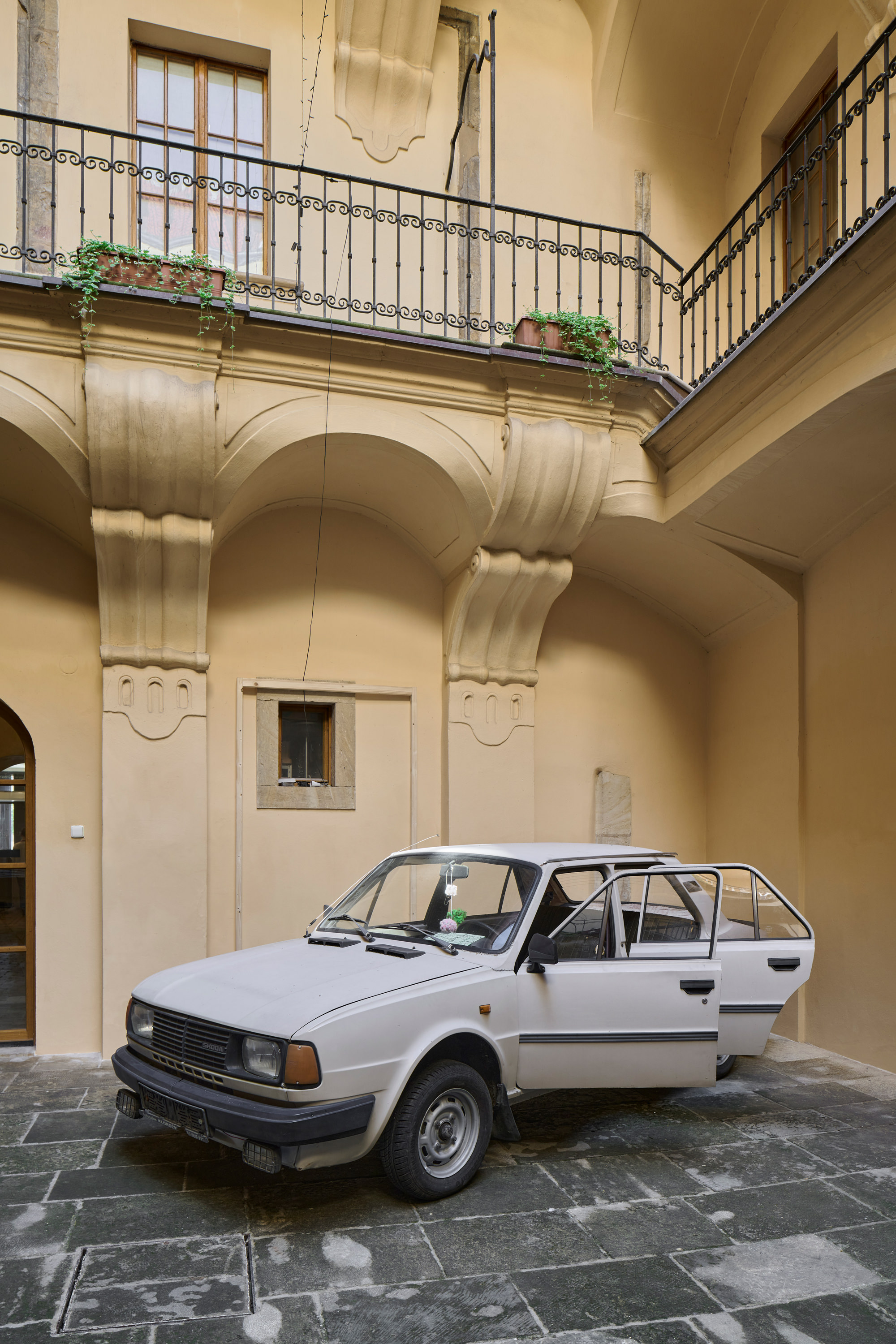
Photos of the exhibition in print quality are available here
Photos of the exhibition opening are here
Dates: 24 June – 11 October 2026
Curatorial Team: Sandra Baborovská, Vít Havránek
Exhibition Concept and Architecture: Vít Havránek
Architectural Design Collaboration: Roman Brychta
Graphic design: Lukáš Kijonka
GHMP Zvon
Staroměstské náměstí 605/13
Prague 1 – Old Town
Open
Tue–Sun 10 am – 8 pm
Admission
CZK 200 full (adults), CZK 90 discounted (students aged 11–26 and seniors 65+, school groups accompanied by a teacher), CZK 50 discounted (children aged 6–10), CZK 450 family ticket, free admission – holders of the card certifying particularly severe disability, holders of the card certifying particularly severe disability with a guide, their guides, and holders of one of the following cards: GHMP Member, Member Plus, Patron
The building does not have wheelchair access.
For up-to-date information on accompanying programmes, guided tours and educational activities, please visit our web.
Tickets can be purchased through the GoOut network or at the GHMP box offices.
A catalogue of the same name as the exhibition was published and is available in the bookstore and on the GHMP website.

About GHMP
Prague City Gallery (GHMP) is one of the most important Czech institutions dedicated to modern and contemporary art. In its venues – which include not only historic buildings such as the Stone Bell House, the Municipal Library, Troja Château and the House of Photography – it has long showcased key figures from the domestic and international art scenes and explored themes that resonate with contemporary society. In addition to its exhibition activities, it manages an extensive collection comprising approximately 16,000 works of art from the 19th century to the present and through a rich programme of accompanying events and educational initiatives, it connects the world of art with the general public. GHMP is also systematically dedicated to supporting the next generation of artists and preserving the capital city’s significant cultural heritage, which consists of monuments, statues and sculptural groups in public spaces.